






1. magnesium glycinate benefits sleep research
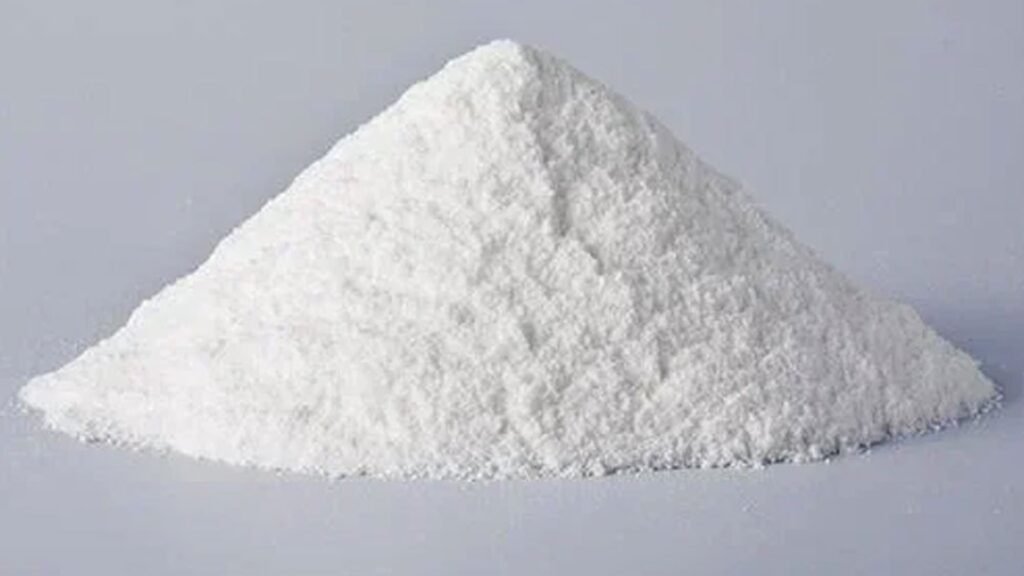
Magnesium glycinate is a form of magnesium combined with the amino acid glycine, making it a popular choice in nutritional supplements. Magnesium plays an important role in normal nervous system function, muscle relaxation, and many processes involved in maintaining healthy sleep patterns. Some research suggests that magnesium supplementation may help improve subjective sleep quality and reduce symptoms of poor sleep, particularly in people with inadequate magnesium intake. Glycine has also been studied for its potential role in supporting relaxation and sleep quality. However, current evidence remains limited, and more large-scale clinical studies are needed to establish its effectiveness. Magnesium glycinate should therefore be viewed as a potential nutritional support rather than a proven treatment for sleep disorders.
Read The Research →
2. science of sleep natural sleep cycle
The natural sleep cycle is a repeating process that allows the body and brain to rest, recover, and maintain overall well-being. Throughout the night, the body moves through different stages of sleep, including light sleep, deep sleep, and REM (Rapid Eye Movement) sleep. Each stage plays an important role in physical restoration, memory processing, brain function, and emotional balance. This cycle is regulated by the body's internal biological clock, known as the circadian rhythm, which responds to environmental signals such as daylight and darkness. Hormones like melatonin help signal when it is time to prepare for sleep, while consistent sleep schedules and healthy bedtime habits can support a more balanced sleep-wake rhythm. Understanding the science behind the natural sleep cycle can help people make informed choices about improving their overall sleep habits.
Read The Science →
3. natural sleep support vs melatonin supplements
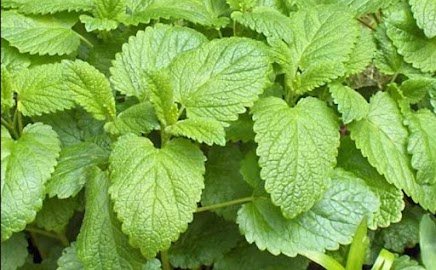
Natural sleep support and melatonin supplements offer different approaches to supporting healthy sleep habits. Natural sleep support often focuses on lifestyle practices, proper nutrition, and ingredients such as magnesium, tart cherry, chamomile, and lemon balm, which have been studied for their potential roles in relaxation and sleep quality. Melatonin supplements, on the other hand, provide a concentrated form of a hormone naturally produced by the body that helps regulate the sleep-wake cycle. While melatonin may be helpful for certain circadian rhythm-related sleep difficulties, natural ingredients are generally intended to support broader aspects of nighttime wellness rather than directly replace the body's melatonin. Neither approach works the same for everyone, and scientific evidence varies depending on the ingredient and its dosage. Understanding these differences can help individuals make informed decisions about sleep support, alongside healthy bedtime routines and professional medical guidance when needed.
Read The Science →
Disclaimer
The information provided on this website is not intended to replace professional medical advice, diagnosis, or treatment. Always consult your physician or another qualified healthcare provider before making changes to your health routine, especially if you have a medical condition, are pregnant, nursing, or taking prescription medications.
The authors and publishers of this website are not responsible for any misunderstanding, misuse, or adverse effects resulting from the information presented. All content is provided for educational purposes only.
Statements made on this website have not been evaluated by the U.S. Food and Drug Administration (FDA). Products or information mentioned are not intended to diagnose, treat, cure, or prevent any disease.
Affiliate & Editorial DisclosureThis website is an independent comparison and review platform. We may receive referral fees or commissions when visitors purchase products through links on this site. These commissions help support our research and content creation at no additional cost to you.
All opinions expressed are our own and based on independent research, analysis, and editorial experience.
No implied or expressed endorsement of any product, service, or brand is intended.
Trademark Disclaimer
All trademarks, logos, and brand names displayed on this website are the property of their respective owners. Their use does not imply any endorsement, affiliation, or sponsorship of this website.
FDA Compliance Statement
The information on this website has not been evaluated by the Food and Drug Administration or any other regulatory authority. This website does not provide medical advice and does not aim to diagnose, treat, cure, or prevent any illness or disease.Always consult a qualified healthcare professional before acting on any information found on this website.